Amazon is buying Globalstar for $11.57B, and Apple just re-signed the satellite deal
Amazon's Leo constellation just swallowed the satellite provider behind iPhone Emergency SOS. Apple signed a new deal on the same day keeping every satellite feature running.
Amazon announced yesterday that it’s acquiring Globalstar for $11.57 billion, and on the same day, Apple signed a separate agreement keeping its iPhone satellite features running on the combined network. The deal closes in 2027 pending regulatory approval.
What we know
Globalstar is the low-earth-orbit (LEO) constellation that quietly powers Emergency SOS via satellite on every modern iPhone. Amazon is rolling it into Amazon Leo, the company’s rebrand of the Kuiper satellite program. Per the Business Wire release, Amazon is paying $11.57 billion and committing to keep serving Globalstar’s existing customers through the transition.
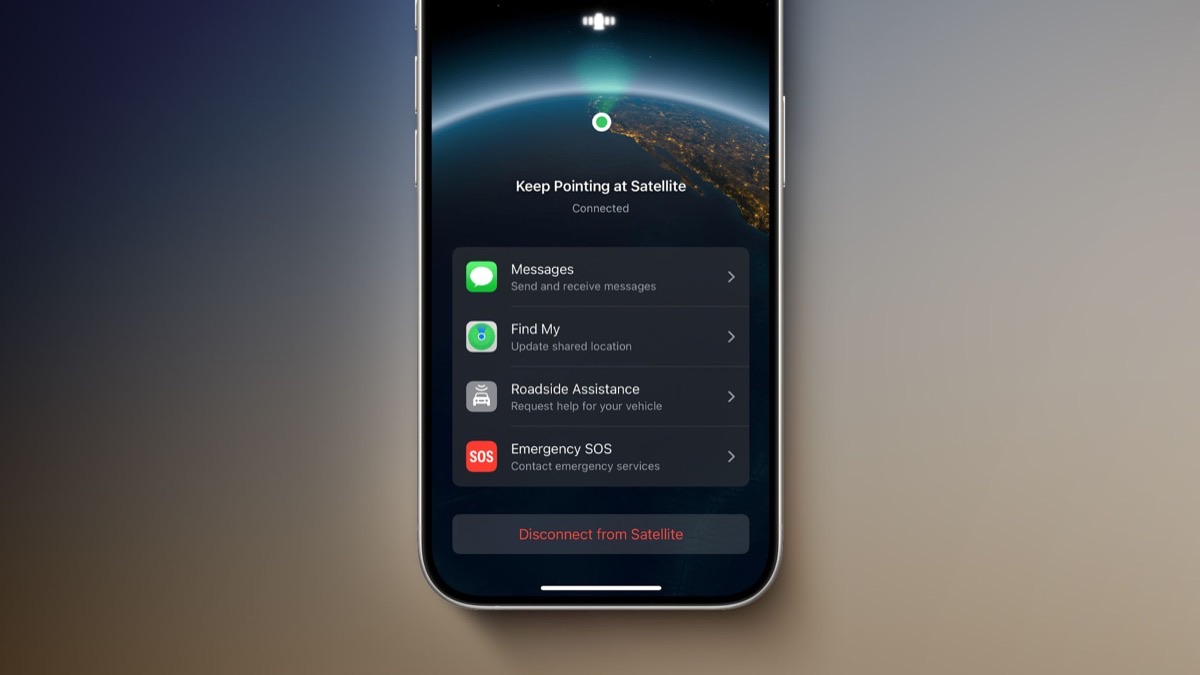
Apple moved fast. On the same day Amazon went public, Apple signed a new satellite agreement with Amazon that preserves every satellite feature Apple users currently rely on. That list includes Emergency SOS, Messages via satellite, Find My, and Roadside Assistance.
Greg Joswiak, Apple’s senior VP of worldwide product marketing, confirmed the continuity in a public statement: “This ensures our users will continue to have access to the vital satellite features they have come to rely on.”
The takeaway for today: nothing breaks for iPhone users. The Globalstar capacity you already depend on keeps working while Amazon absorbs the infrastructure.
What we don’t know
A lot. The press release is vague on the pieces that matter most for developers and power users.
We don’t know whether Apple negotiated a stake in the combined network, or just a services contract. We don’t know how long the “existing features” guarantee runs, or what happens when the first Globalstar satellites aging out of orbit need replacement. We don’t know if Amazon Leo’s broader consumer offering will overlap or compete with Apple’s exclusive features (iPhone users getting Messages via satellite, for example, is not something Amazon has publicly committed to keep as an Apple-exclusive). And we don’t know the regulatory picture: spectrum transfers at this scale typically attract FCC and DOJ scrutiny.
One more open question: pricing. Globalstar users today pay nothing for iPhone SOS because Apple subsidizes it. Will that model survive the Amazon transition? It’s not explicit in any of the filings we’ve read.
How the reporting broke
The Amazon press release landed on Business Wire at 14:45 UTC yesterday. MacRumors picked up the Apple angle within hours, citing Apple’s own statement. The Hacker News thread hit the front page around the same time and surfaced one consistent concern in comments: orbital debris from stacking another LEO constellation alongside Starlink and Kuiper. That’s worth watching but wasn’t part of either company’s announcement.
What this means for you
If you’re an iPhone user, nothing changes in the short term. Emergency SOS still works on the drive through cell-dead Montana. Messages via satellite still work on the trail where the carrier bars died. Find My still pings over satellite. Apple and Amazon both confirmed that.
If you build apps that touch Apple’s satellite APIs or plan to, the uncertainty is around Amazon’s long-term plans for third-party access to the combined constellation. Amazon has historically been more open than Apple about developer access (Kuiper was pitched with enterprise connectivity in mind), so there’s a scenario where this acquisition actually expands the API surface over the next 18 to 24 months. There’s also a scenario where Amazon closes ranks and keeps the stack exclusive to its own products. We’d wait for the formal close in 2027 before betting either way.
If you’re watching the competitive landscape, this one’s the bigger story. Amazon now owns a working LEO constellation, has Apple as a locked-in customer, and has Kuiper in deployment. That’s the fullest vertical integration any Starlink competitor has assembled. SpaceX still leads in raw capacity, but the Apple relationship gives Amazon a consumer surface that Starlink doesn’t. Expect the “who wins LEO” narrative to get more interesting in 2026.
Share this article