Apple is opening AirPlay's slot in iOS 27. Google Cast can become the default on EU iPhones.
Mark Gurman's Sunday Power On says iOS 27 will let users pick Google Cast or another protocol over AirPlay for system-level streaming, to satisfy the EU DMA.
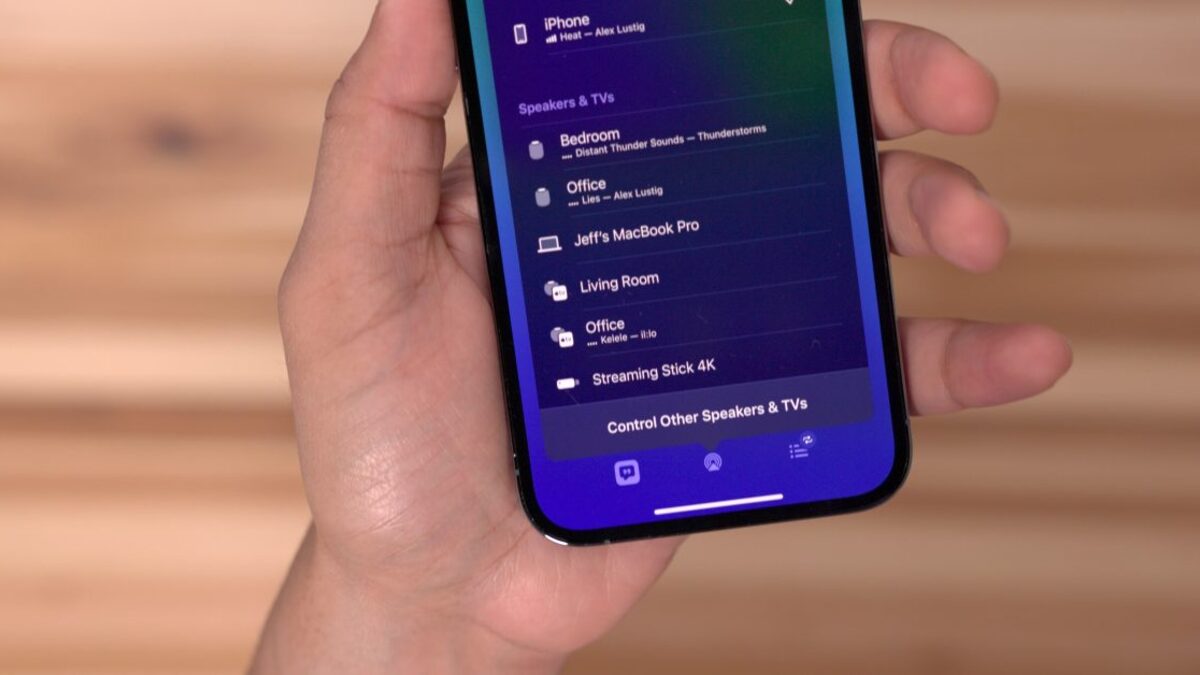
Bloomberg’s Mark Gurman used his Sunday Power On newsletter on May 24 to report that Apple is wiring iOS 27 to let users pick a non-AirPlay streaming protocol as the system default. Google Cast is the named beneficiary. The change is, per Gurman, EU-only.
This is the next AirPlay status drop after a decade of system-level lock-in. Apple has spent the entire post-DMA window losing exclusivities in small pieces: third-party app marketplaces, default browser-engine choice, NFC payment access, default-app pickers for email and maps. Streaming-protocol exclusivity is one of the last visible ones on the iPhone, and the timing matters: Google has been pushing native Cast support inside iOS apps for two years, and the Brussels enforcement office has been escalating the DMA’s interoperability provisions since March.
What Gurman actually reported
The Power On framing, as reproduced by 9to5Mac and AppleInsider, is that “Apple, looking to satisfy the latest requirements of the European Union’s Digital Markets Act, is building support into iOS 27 for third-party AirPlay streaming alternatives.” A user in the EU would be able to designate “Google Cast” as the default solution for “beaming video, photos and audio from an Apple device to a speaker or TV.”
A few things are worth pulling out of that sentence.
- The change is at the system level, not the app level. Cast already works inside specific iOS apps (YouTube on iOS has cast, for example). What’s new is that the Control Center streaming target and the AirPlay picker would surface Cast devices natively, and a third-party Cast SDK would not have to ship inside every app to reach them.
- The default-protocol pick is a user choice, not a developer choice. This mirrors how iOS already handles default browser, default mail client, and default maps app in the EU. The user makes the call once in Settings; system-level streaming follows.
- Apple’s footprint shrinks but doesn’t disappear. AirPlay remains the default for users who don’t switch. Apple TVs, HomePods, and AirPlay-licensed receivers keep working unchanged. What the change costs Apple is the captive audience: an EU iPhone owner with a Chromecast and a Google TV stops having to use AirPlay through a workaround app.
The DMA pressure that produced this
The European Commission’s DMA enforcement office has been openly testing how far Apple’s “system interoperability” obligations under Article 6(7) of the DMA reach. AirPlay is squarely in scope: it’s a proprietary protocol Apple ships as a default service in iOS, exposed via a system UI surface, and not offered to competitors on FRAND terms.
Gurman’s reporting fits the pattern Apple has used for previous DMA concessions. The company waits until Brussels signals a likely enforcement action, opens just enough of the surface to satisfy the specific complaint, and ships the change EU-only. Sideloading, third-party browser engines, and the contactless-payment NFC opening all followed that script. The streaming-protocol opening looks like the same play.
What’s still unknown is the shape of the developer-facing API. Google Cast is the named example, but any company that ships a streaming protocol (Roku, Samsung’s SmartView, Sony’s BRAVIA Cast) could, in theory, register one. Whether Apple lets all of them in by default or gatekeeps via the same Notarization process it uses for sideloaded apps is the question every protocol owner will be asking once iOS 27 hits beta.
What this means for you
If you’re an EU iPhone owner with a Chromecast or a Google TV: this is the change that finally makes your hardware combo work without a workaround. Expect to set Cast as the default sometime in the fall once iOS 27 lands publicly. Apple has only ever shipped a major iOS feature in beta at WWDC, so look at the June 8 keynote for the developer-side confirmation.
If you’re a developer shipping a streaming-app on iOS: the work goes away. You won’t need to bundle a Cast SDK inside your app to reach a Cast device, and the in-app picker will defer to the system picker. The friction has been real (every video app on iOS today has to choose between an AirPlay-only UI and an awkward dual-protocol picker), and this change collapses it.
If you’re outside the EU: you’re not getting it. Apple has not signalled, and Gurman did not report, any intention to extend the change globally. The same regional split that produced EU-only sideloading and EU-only default-browser pickers applies here.
The piece to watch is whether Brussels accepts the EU-only scope as compliance or pushes for global parity. Every DMA concession so far has been geographic. If the Commission breaks that pattern on AirPlay, the rest of Apple’s regional fences come into play.
Share this article