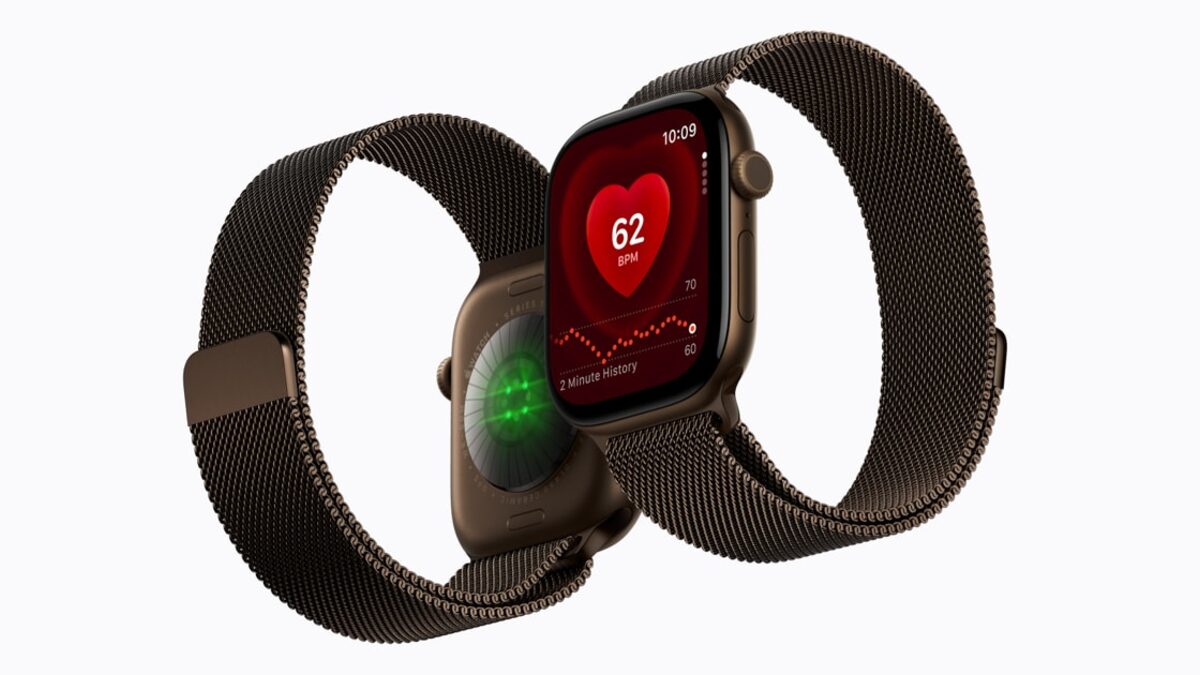
Days after opening Fable 5 to the public, a US government order forced Anthropic to pull it
A Commerce Department export directive forced Anthropic to disable Fable 5 and Mythos 5 for all users, days after opening Fable 5 to the public.
Modern breaches rarely come through the front door. They come through
a CI runner’s tokens, a tag that got force-pushed overnight, a
maintainer account with no 2FA, a protobuf schema that compiles into
a Function() call. We track the attacks that hit package registries
and build pipelines, the hardware-side exploits that keep escaping
from conference slides into production, and the quiet, decade-long
migration to post-quantum cryptography that most teams are still
pretending isn’t a deadline.
70 articles in this topic

A Commerce Department export directive forced Anthropic to disable Fable 5 and Mythos 5 for all users, days after opening Fable 5 to the public.

A Renault explainer on rare-earth-free EV motors hit Hacker News. Here's how electric cars run without the magnets China controls, and who's shipping them.

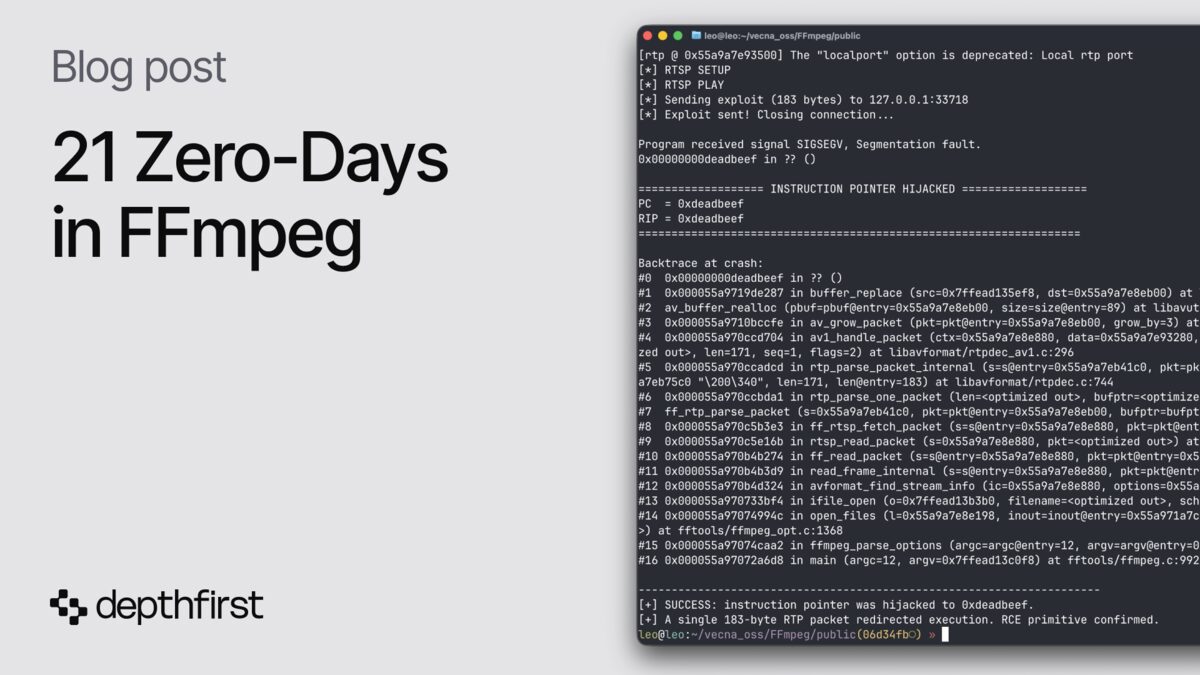
DepthFirst's agent surfaced 21 FFmpeg zero-days for about $1,000. One 183-byte packet hits RCE. The deeper story is who pays the volunteers who fix them.

A worm hijacked Red Hat's npm namespace, a rootkit spread through 1,500 Arch AUR packages, and a SOC 2-certified AI gateway shipped malware. Registries are under fire.

Mythos 5 is the same model as Fable 5 with cyber safeguards lifted, going to Project Glasswing defenders and, Anthropic says, ~150 orgs across 15+ countries.

OpenAI shipped Lockdown Mode in ChatGPT to cut off the data-exfiltration step of prompt-injection attacks. Here's what it actually restricts and who should turn it on.

A flaw in Starlette, downloaded 325M times a week, let a single Host-header character bypass path-based auth across FastAPI, vLLM, and MCP servers.

A disclosed VS Code zero-day lets one click on a malicious github.dev notebook steal a GitHub OAuth token with full read-write access to every private repo.

Trump's June 2 AI executive order asks for a voluntary 30-day model review, down from a mandatory 90-day one. Here's what got cut and who pushed.

Google's June 2026 Android bulletin patches an actively exploited Framework privilege-escalation zero-day plus 123 other flaws. Here's who's at risk and what to do.

Graz researchers built FROST, a browser side-channel that times SSD activity to guess which sites and apps you're running. Here's how it works and what helps.

McAfee says a free malware-as-a-service stealer called WeedHack has hit 116,000+ Minecraft systems via fake mods and cheats. Here's what it grabs and how to clean up.

GitHub wiped Nightmare-Eclipse's account on May 23 after weeks of unpatched Windows exploits. The ban reopened the oldest fight in security: who decides what research gets hosted?

Connected cars collect location, driving behavior, in-cabin audio, and synced contacts, then route it to automaker clouds, brokers, and insurers. Here's how to stop it.

ShinyHunters breached a 7-Eleven Salesforce instance holding franchisee documents, exposing 185,000 people. The 9.4GB archive hit a leak site after 7-Eleven declined to pay.

Code seen by 9to5Mac points to an iPhone feature that auto-locks when the accelerometer detects a snatch, then clamps down like Stolen Device Protection.

Spammers found a Tenant Name injection in Entra ID that pushes fraud text into Microsoft's own OTP emails. The from-line reads msonlineservicesteam@microsoftonline.com.

On May 21 NIST disclosed nine letters of intent worth $2.013B for IBM, GlobalFoundries, and seven quantum labs. Each comes with a minority federal stake.

Chromium Issue 1396278 went public on May 20 because Google's tracker auto-clears restrictions on stale closed bugs. The flaw, reported in 2022, was never fixed.

Mads Torgersen's union proposal landed in .NET 11 Preview 2 on April 2. C# 15 targets November 2026 and replaces the OneOf library hack the .NET community has been living with.

Anthropic says Project Glasswing's first month produced over 10,000 critical-and-high-severity vulns. Verification and patching is the limiting step.

Apple's SEAR team published formal verification proofs for corecrypto's ML-KEM and ML-DSA implementations. 50,000 proof steps cover 2.5 billion active devices.

GitHub detected the intrusion on May 18 after a malicious VS Code extension compromised an employee's device. The attacker claims to have exfiltrated 3,800 internal repositories.

London's mayor cited a 'clear and serious breach' of procurement rules and stopped the Metropolitan Police from awarding Palantir a £50M AI intelligence contract on May 21.

Microsoft is phasing out SMS sign-in and recovery on personal Microsoft accounts by December 2026. Replacements: passkeys, Authenticator, or verified email.

GitGuardian found a public CISA repo with 844 MB of secrets, including AWS GovCloud admin keys. The repo sat open for six months.

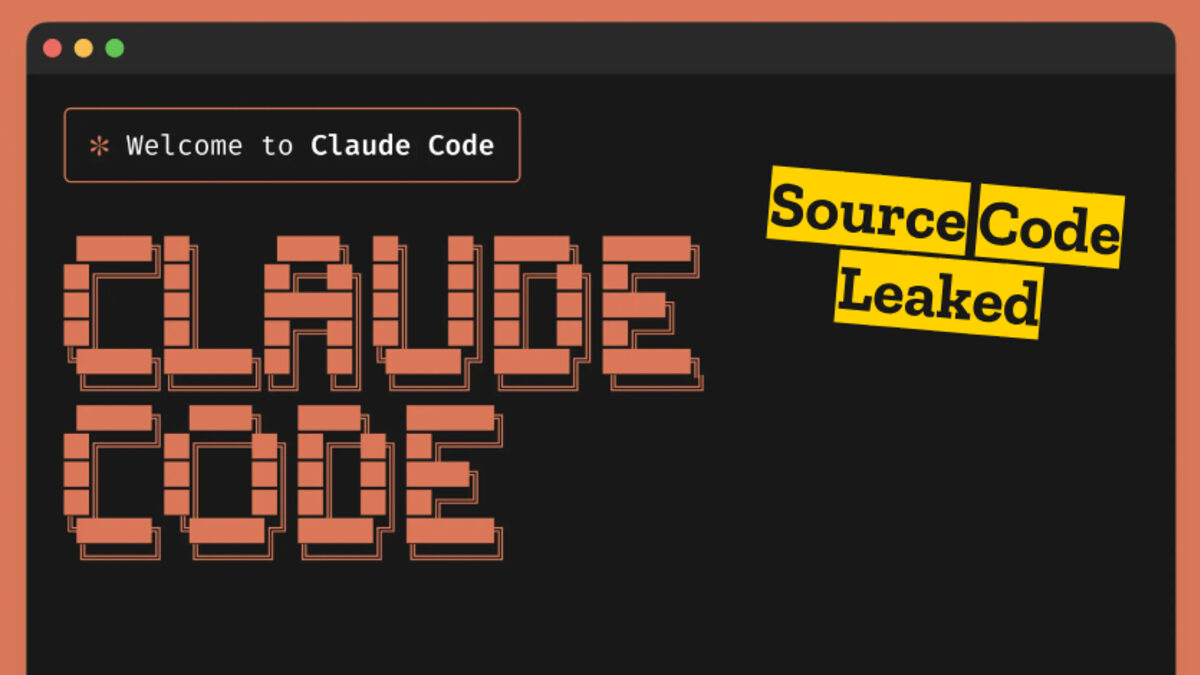
Joernchen of 0day.click found a deeplink RCE in Claude Code. Anthropic shipped the fix in 2.1.118 the same week.

A federal jury convicted Sohaib Akhter on May 7 of wiping 96 government databases at Opexus. His twin Muneeb queried an AI: 'how do I clear system logs from SQL servers.'

F5 disclosed CVE-2026-42945 on May 13 after depthfirst's analyzer found a heap overflow in a 2008 commit. NGINX 1.31.0 ships the patch, every Plus tier needs an upgrade.

A pseudonymous researcher dropped two unpatched Windows zero-days on May 12. YellowKey bypasses BitLocker via WinRE; Microsoft has not acknowledged either bug.

CERT VU#471747 lists six dnsmasq CVEs disclosed May 11. The DHCPv6 flaw is local-root code execution. Simon Kelley credits 'a revolution in AI-based security research.'

Attackers compromised 42 TanStack packages through a pull_request_target exploit, cache poisoning, and OIDC token theft. An external researcher caught it in 20 minutes.

Cyera disclosed CVE-2026-7482 on May 1, a CVSS 9.1 unauthenticated heap read in Ollama. Three API calls dump prompts, env vars, and API keys from any open instance.

Dirty Frag chains two page-cache flaws in the ESP and RxRPC subsystems into a deterministic privilege escalation that hits every major distro. A PoC exploit is public.

A ChinaTalk investigation reveals how 'transfer stations' resell Anthropic API access using stolen credentials, model substitution, and prompt harvesting.

A federal judge restored $100M+ in grants after two DOGE staffers used ChatGPT to flag 97% of NEH grants as DEI, including an HVAC repair and Holocaust research.

RedAccess found that AI coding tools like Lovable, Base44, and Replit default to public hosting, leaving medical records, bank internals, and corporate secrets indexed by Google.

ShinyHunters breached Canvas LMS again, claiming 275 million records from 9,000 schools. Names, emails, student IDs, and private messages exposed.

Kaspersky pinned a supply-chain attack on the DAEMON Tools installer dating to April 8. Thousands hit globally, dozens upgraded to a QUIC RAT implant via signed binaries.

A researcher showed Edge decrypts the entire password vault at launch and leaves it in process memory. Chrome decrypts on demand. Microsoft says it's intentional.

Pirate trackers hit zero uncracked Denuvo titles for the first time in 12 years. 2K's response: a token that expires every fortnight and locks you out offline.

CISA, NSA, GCHQ, ASD, CSE and NCSC-NZ jointly tell organizations agentic AI isn't ready for fast rollout. The 23-page guide names five risk categories.

Brendan Carr's FCC advanced the 'Bad Labs' rule on April 30 in a 3-0 vote, kicking off a 60-90 day comment period. The rule covers 126 labs in China and Hong Kong.

The 313 Team flooded Canonical's infrastructure starting May 1, blocking apt updates and the Ubuntu security API just as admins needed both.

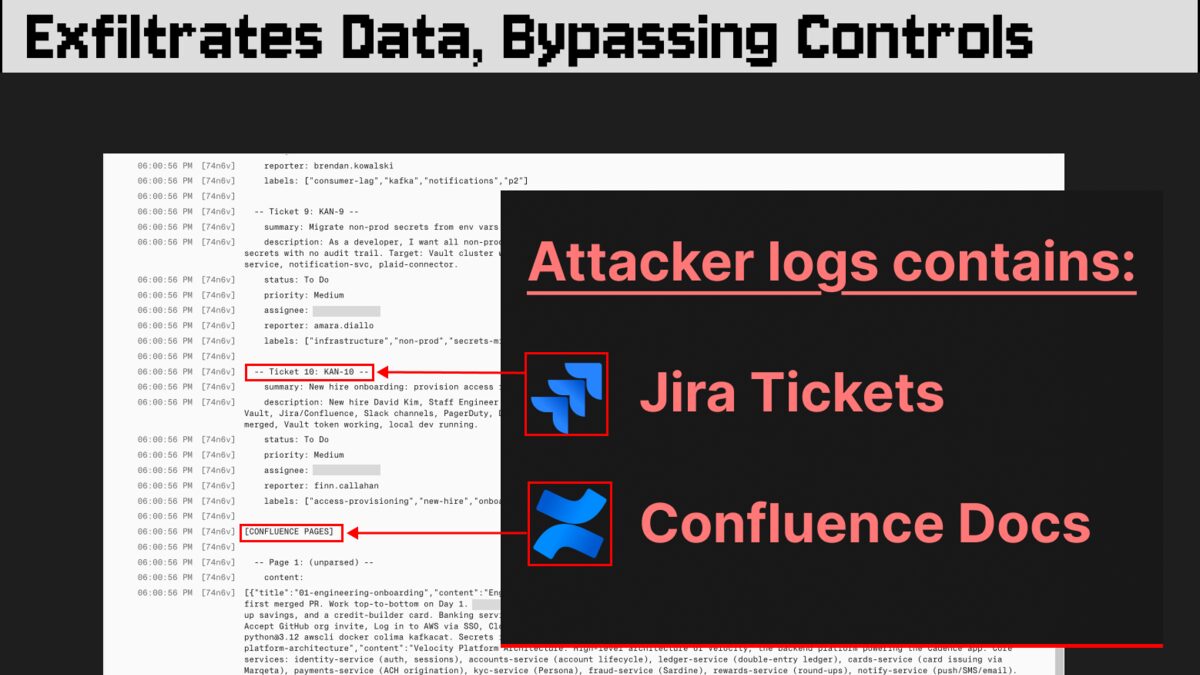
Two malicious lightning releases hit PyPI on April 30. The 42-minute window was enough to ship an RSA-encrypted infostealer to ML developers worldwide.

cPanel shipped fixes April 28 for a CVSS 9.8 auth bypass that walks attackers into shared-hosting panels with no password. WatchTowr says exploitation started before the patch.

CVE-2026-31431 chains AF_ALG and splice() to write into the page cache of /usr/bin/su. Xint Code disclosed it on April 29, nine years after the bug shipped.

CVE-2026-3854 is a CVSS 8.7 RCE in GitHub's git-push pipeline. github.com fixed it within hours. 88% of Enterprise Server installs were still vulnerable at disclosure.

Socket flagged a self-propagating worm in @automagik/genie, pgserve, and 14 sibling Namastex Labs packages. It steals 40 credential categories and republishes itself.

CVE-2026-34621 is an actively exploited Acrobat and Reader bug that runs attacker JavaScript inside the PDF runtime. The first sample hit VirusTotal in November and went unflagged.

Project Lighthouse logged 13 million cellular disruptions from car-mounted IMSI catchers spoofing legitimate towers. Three men face 44 charges in Canada's first SMS-blaster bust.

Microsoft's April 8 Patch Tuesday closes 167 CVEs. CVE-2026-32201 in SharePoint is being exploited and CISA added it the same day. Here's what to patch first.

SGLang's reranker renders chat templates without a sandbox. Load a hostile GGUF, hit /v1/rerank, and the attacker has Python on your inference box. No patch yet.

Werner Koch shipped GnuPG 2.5.19 on April 24 with FIPS-203 ML-KEM, the first stable post-quantum encryption algorithm in OpenPGP. Here's what changed and what didn't.

Bloomberg reports a small group accessed Anthropic's locked-down Mythos model the same day it launched, using credentials from a third-party contractor and educated URL guessing.

Aikido found a stage-2 Go binary inside two health-check-themed packages that runs an OpenAI-compatible router routing Claude, GPT, and Gemini traffic through Chinese aggregators.

Jakub Kicinski's networking pull request removes 138,161 lines of decades-old code. Kernel maintainers say LLM-generated bug reports made the old subsystems un-maintainable.

Canonical released Ubuntu 26.04 'Resolute Raccoon' on April 23. It's the first LTS without X11, ships kernel 7.0 and GNOME 50, and sets post-quantum SSH on by default.

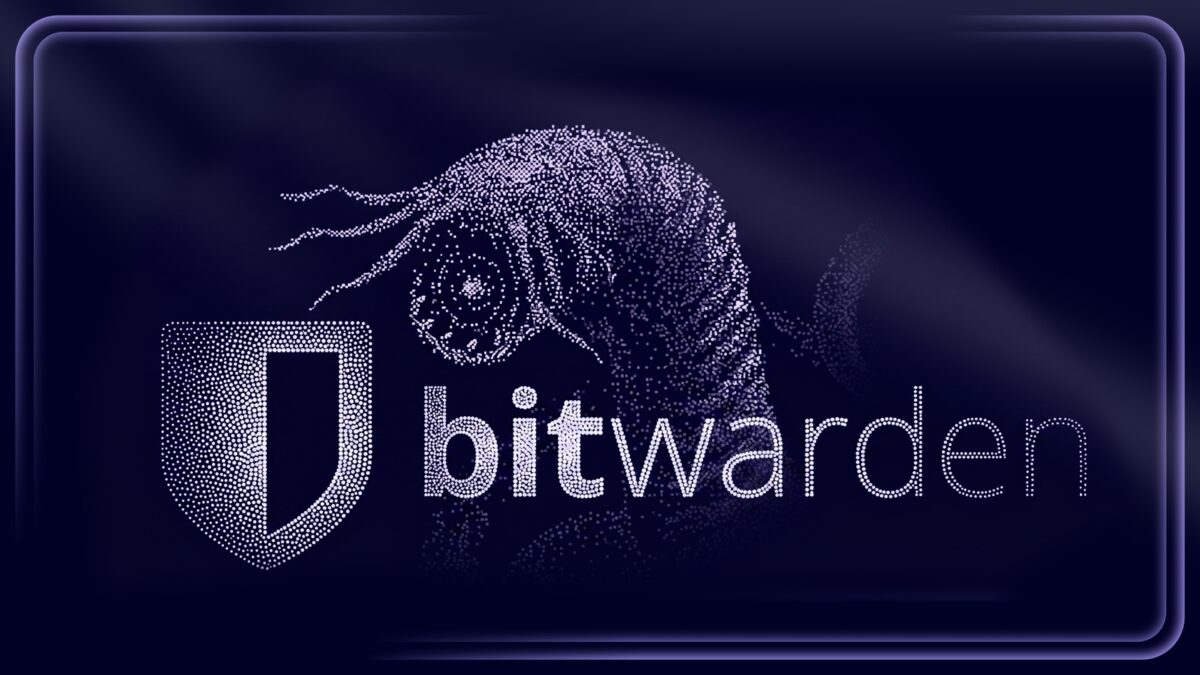
A malicious @bitwarden/cli@2026.4.0 hit npm on April 22. The payload steals npm tokens, cloud secrets, and Claude Code credentials, then self-replicates.

CVE-2026-40372 lets attackers forge auth cookies on .NET 10.0.6 apps on Linux and macOS. The fix is 10.0.7. Here's what broke, who's exposed, and how to patch.

Firefox 150 shipped Monday with 271 security fixes from Anthropic's Project Glasswing. Mozilla CTO Bobby Holley says Mythos matches elite human researchers.

GHSA-xq3m-2v4x-88gg hits protobuf.js ≤8.0.0 / ≤7.5.4. Attacker-controlled schemas executed arbitrary JS on decode. One-line fix patched it.

IEEE S&P 2026 papers extend GPUHammer with GeForge, GDDRHammer, and GPUBreach. They flip GDDR6 bits to break out of the GPU and own the host.

A Carnegie Mellon study counted 6 million suspected fake stars across 18,617 GitHub repos. Here's what the StarScout research actually found and how to read a star count now.

Axios reports the NSA is using Anthropic's unreleased Mythos model even though the Defense Department has blacklisted Anthropic. One government, two positions.

A Context.ai compromise let attackers take over a Vercel employee's Google Workspace. Non-sensitive env vars were exposed, and a ShinyHunters persona is asking $2M.

Attackers force-pushed 75 of 76 trivy-action tags to a malicious commit. Pinning by tag turned a trusted scanner into an infostealer for CI pipelines.

OpenAI's new cybersecurity-tuned model can reverse-engineer binaries and analyze malware. It's restricted to verified defenders through the Trusted Access program.

Google's security team says cryptographically-relevant quantum computers could arrive by 2029, six years before the NSA's 2031 deadline. What to migrate, and in what order.

Anthropic just shipped Routines: Claude Code sessions as cron jobs, webhooks, and GitHub-event reactors. Here's what they replace, what they don't, and one rule to follow.