A federal jury took two hours to throw out Elon Musk's lawsuit against Sam Altman and OpenAI.
On May 18 a nine-juror panel rejected every claim Musk filed against OpenAI in 2024. Judge Yvonne Gonzalez Rogers had told the courtroom she was ready to dismiss on the spot.
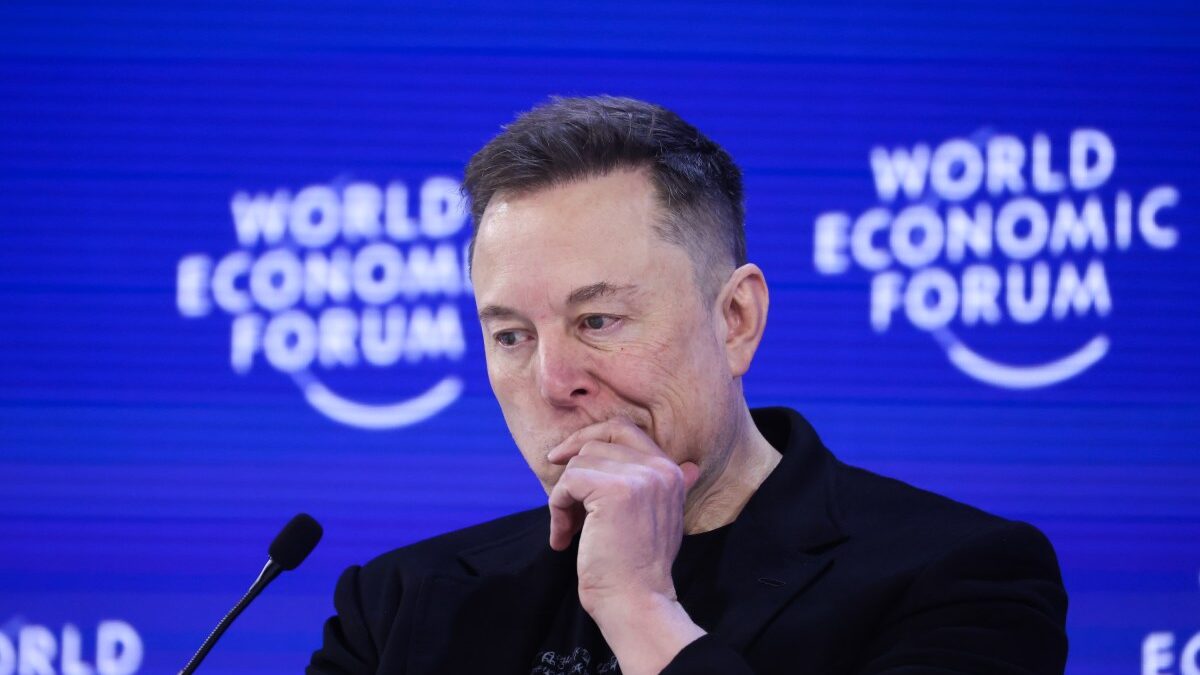
A nine-juror federal advisory panel in the Northern District of California unanimously rejected every claim Elon Musk had filed against Sam Altman, Greg Brockman, and OpenAI on May 18. Deliberation took less than two hours. Judge Yvonne Gonzalez Rogers, who had signaled her position from the bench during the trial, dismissed the case the same day.
Musk’s lawyers had asked the court to force OpenAI and Microsoft to give up between $78.8 billion and $135 billion in damages, to remove Altman and Brockman from leadership, and to unwind OpenAI’s 2025 conversion from a nonprofit to a capped-profit structure. None of that happened. The case is dead at the district level and now heads to the Ninth Circuit if Musk follows through on his stated plan to appeal.
What the jury actually decided
The verdict ran on the timing question, not the merits. OpenAI’s defense argued that whatever harms Musk claimed all happened years before he filed in February 2024, and that the statute of limitations had run out. The jury agreed on each count, with cutoff dates of August 5, 2021, August 5, 2022, and November 14, 2021 for the three claims at issue.
Judge Gonzalez Rogers had already pre-staked her position. “There was a substantial amount of evidence to support the jury’s finding,” she said from the bench, “which is why I was prepared to dismiss on the spot.” Earlier in the trial she had questioned the damages methodology directly. “Your analysis seems to be devoid of connection to the underlying facts,” she told one of Musk’s expert witnesses, an exchange Washington Post legal reporters flagged at the time as a signal of where the bench was headed.
The advisory format matters. A federal advisory jury hears the case and recommends a verdict, but the judge has the final ruling. Here the two aligned, and the dismissal came on the same day. There is no separate damages phase, no settlement window, no further motion practice at the district level.
The claims
Musk’s 2024 complaint had three load-bearing arguments:
- Charity stolen. Musk claimed Altman and Brockman abandoned OpenAI’s founding nonprofit mission, converted the entity for personal gain, and induced Musk to fund a charity that was already on a path to capped-profit status. He sought to claw back “ill-gotten gains” from OpenAI and Microsoft, which holds 49% of the for-profit arm.
- Self-dealing. Musk argued Altman and Brockman steered OpenAI’s commercial relationships toward themselves and their investors. The jury did not rule on whether this was true; the statute-of-limitations finding ended the inquiry first.
- Restructuring unwound. Musk asked the court to undo OpenAI’s 2025 conversion to a for-profit public benefit corporation, which would have functionally reset the company’s cap table and stripped Microsoft’s stake.
OpenAI’s attorney, after the verdict, called the case “a hypocritical attempt to sabotage a competitor.” Microsoft welcomed the ruling and said it reaffirms its commitment to advancing AI. Altman has not posted publicly since the verdict landed.
What we don’t know yet
A few load-bearing questions for the appeal phase.
- The Ninth Circuit calendar. Musk’s team confirmed an appeal is coming but did not file the notice on May 18. The Ninth Circuit averages 18 months from filing to oral argument; a Q4 2027 hearing is the realistic earliest window.
- The corporate-form question. The 2025 OpenAI restructuring stays in place. Whether Musk’s appeal can resurrect the request to unwind it is the question with real downstream impact; everything else is damages.
- Settlement off the table? Both sides have publicly declined any framing that suggests this is a negotiated outcome. Musk’s “calendar technicality” framing and OpenAI’s “hypocritical” framing don’t sound like the language of parties who are about to settle on appeal.
What this means for you
If you use OpenAI products in production, this verdict closes the door on the most plausible scenario where the company’s corporate form gets unwound by a court. The capped-profit structure, Microsoft’s stake, and Altman’s leadership are now stable on the timeframe enterprise procurement teams care about. The appeal will move slowly, and even a partial win for Musk at the Ninth Circuit gets you years of further litigation before anything changes on the ground. If you’re tracking AI governance as a policy question, the more useful read is that statute-of-limitations finding: the court did not weigh in on whether OpenAI’s pivot away from nonprofit mission was actually a betrayal of donor intent. That question is unresolved, and the next plaintiff who files inside the limitations window will get a different kind of hearing. Musk wrote on X that “this is far from over.” He’s right; he just doesn’t get to be the one who finishes it from here.
Share this article
Sources
- Elon Musk has lost his lawsuit against Sam Altman and OpenAI — TechCrunch
- Jury dismisses all claims in Elon Musk's lawsuit against OpenAI CEO Sam Altman — NPR
- Musk slams Altman trial verdict as a 'technicality,' vows to appeal — CNBC
- Jury rejects Elon Musk's lawsuit against OpenAI and its CEO Sam Altman — Washington Post